
Frequently Asked Questions about the Technology Park
Here you’ll find answers to common questions about the development, planning, and impact of the Henry County Technology Park. We aim to keep residents and stakeholders informed every step of the way.

My Biggest ConcerN IS Water. Don’t most Data centers Use massive amounts of water?
Some older data centers do, but this one will not. We are designing the facility to use air cooled or closed loop/hybrid cooling systems, which greatly reduce or even eliminate continuous water use. In a closed loop system, the same water circulates within the facility rather than being drawn from outside sources. Because of this design, the data center’s water demand will be a fraction of traditional facilities, and it will come from the Town of Knightstown’s municipal system, not private wells. This approach keeps the aquifer safe, preserves local water availability, and ensures the community’s needs come first.

Is the Henry County Technology Park going to Ask for Local tax abatements?
No. This project is being planned to provide direct tax revenue to Henry County from the very start. That means no special tax breaks or abatements will reduce what the county receives. The goal is for the data center to be a strong and consistent contributor to funding local priorities such as schools, public safety, and infrastructure across the county.
Will the data center strain the local power grid?
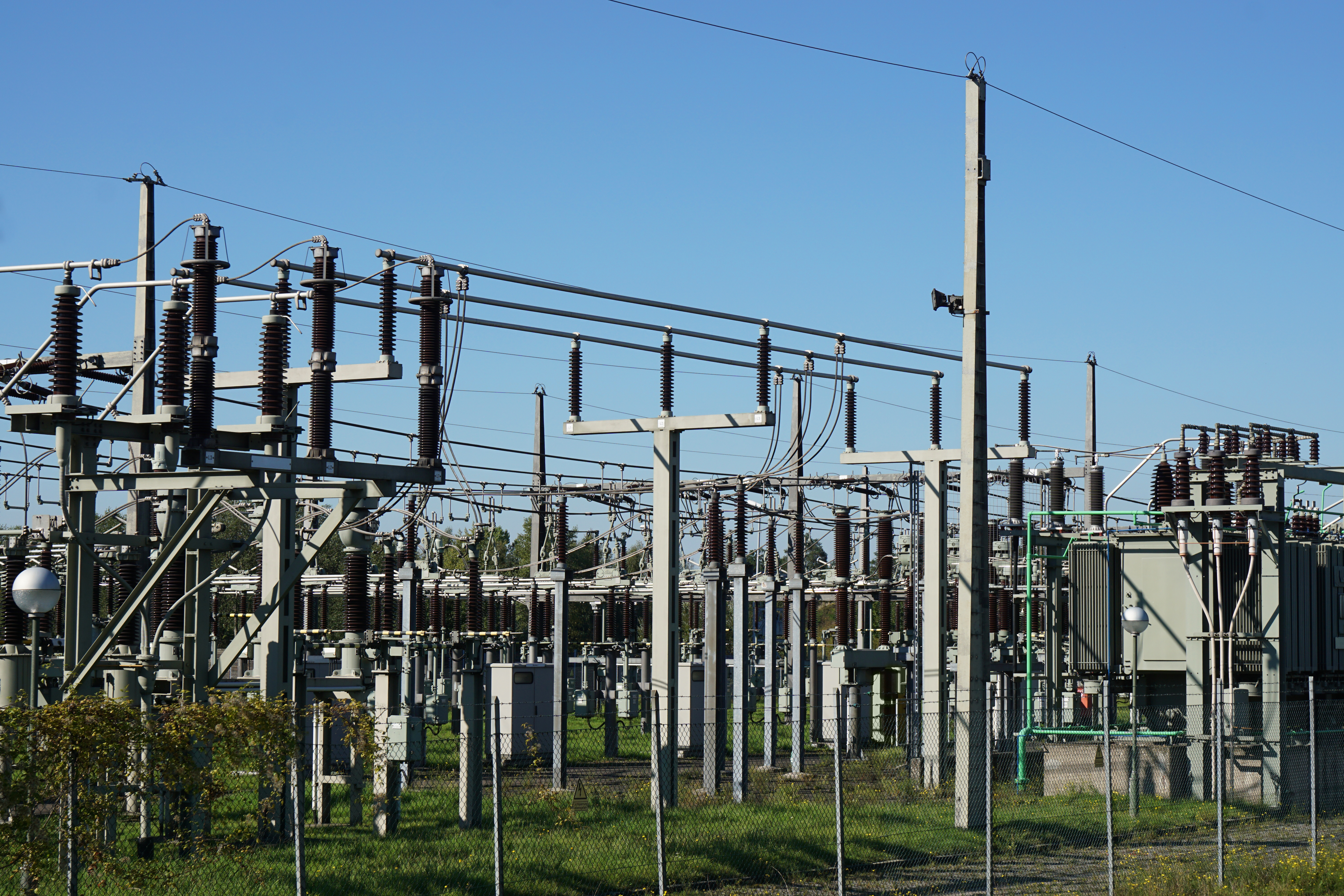
No. This project includes on-site natural gas turbines that will generate more than enough of the facility’s electricity. This reduces reliance on the local grid and helps avoid adding pressure to residential and business supply. This project can actually be grid positive, further supporting the local grid.
Will the data center contaminate the soil or groundwater?
No. The facility is being designed to meet or exceed all federal, state, and local environmental protection standards. Systems are in place to ensure that no harmful substances enter the soil or water. We are incorporating:
Regular third-party environmental inspections to verify safety and compliance.
Fully contained fuel and chemical storage with spill-prevention systems.
Impermeable barriers and sealed surfaces in key areas to prevent seepage.
All wastewater will be treated and disposed of according to regulatory requirements, with no untreated discharges into the ground or nearby waterways. Where possible, we will reuse water within the facility.
Additional FAQ’s
Why haven’t any environmental, water, or traffic studies been done yet?
We are still in the very early stages of the project. No official plans have been submitted to the Henry County Planning Commission, and these studies are typically required and conducted after formal submission as part of the county’s review process.
Environmental impact assessments, water usage studies, and traffic analyses will all be completed before any construction can begin. These studies must meet county and state requirements and are reviewed by the appropriate agencies to ensure the project can move forward responsibly.
By waiting until the proper stage in the process, we ensure that the studies are based on final, detailed site plans. This ensures the results are accurate, and the recommendations are tailored to the exact design and operations of the facility.
Won’t the data center be noisy? With the interstate, won’t it double the noise?
No. The data center will be designed to operate well below typical industrial noise levels and will not noticeably add to the existing sound from the interstate. Cooling systems, generators, and other equipment will be enclosed in sound-dampening structures and positioned to minimize noise beyond the property.
Noise doesn’t simply “double” when you add another source. Sound is measured on a logarithmic scale, meaning a quieter source mixed with a much louder one (like interstate traffic) barely changes the total level. Because the area already has steady highway noise, the data center’s contribution will blend into that background. Even during generator testing, noise will stay within permitted limits and be far less noticeable than passing trucks.
Developers make a lot of promises, but once the land is rezoned, won’t they be able to ignore them?
No. Any commitments we make as part of the rezoning and approval process can be written directly into the zoning conditions or development agreement. These conditions are legally binding and enforceable by Henry County.
That means requirements such as water use limits, noise controls, environmental protections, or infrastructure improvements become part of the official project approval. If they’re not met, the county has the authority to halt work, revoke permits, or require compliance before operations can continue.
We intend to work with county officials to ensure that the protections and benefits discussed with the community are locked in legally, not just stated verbally.
If you are using natural gas turbines to make electricity, won’t that create a lot of noise and air pollution?
No. The natural gas turbines we plan to use are modern, high efficiency models designed to meet or exceed all state and federal air quality standards. They produce far fewer emissions than older fossil fuel systems, and continuous monitoring ensures they remain within strict environmental limits.
For noise, the turbines will be housed in sound insulated enclosures and positioned to minimize any impact beyond the site. Even during operation, the sound will be well below typical industrial noise levels and will blend into the background traffic from the nearby interstate.
Natural gas was chosen because it provides reliable, cleaner power compared to older alternatives, while allowing the data center to operate without placing additional strain on the community’s electric grid.
I heard that the aquifer in Knightstown is “moderate”. won’t the data center put a strain on it?
No. The data center will get its water from the Town of Knightstown’s municipal system, not from private wells, and is being designed to use air cooled or closed loop/hybrid cooling systems. These systems require very little ongoing water, keeping demand well within what a “moderate” aquifer can support.
If the project helps fund upgrades to the town’s storage, pumping, and distribution systems, it will actually improve capacity and resilience for everyone. We’ll also set firm usage limits, monitor aquifer levels, and share the results publicly to ensure the resource remains healthy for the long term.
I’m concerned the data center will lower my property value. Is that true?
So, we can’t predict property values, but here’s what the evidence says:
- There’s no consistent proof that data centers reduce nearby property values, especially when they’re well designed with proper screening, setbacks, and noise controls.
- In some cases, data center presence can actually support property values through improved infrastructure, increased tax revenue, and enhanced local services.
- Plus, developers often invest in upgrades like roads, utilities, and broadband. That is a benefit to the broader community and make the area more attractive to buyers or residents.
That said, some rural areas worry about visual impacts, noise, or a shift in local character, but these are design and management issues, not inevitable results.
I heard that the data center will make my utilities go up in cost.
Not from this project. One of the main reasons we are building on-site natural gas turbines is so the data center can generate its own electricity instead of pulling large amounts from the shared grid. This means we are not competing with residents or local businesses for power, and we are planning to put surplus energy we produce back onto the local grid to help strengthen reliability and benefit our neighbors.
For water, the facility will connect to the Town of Knightstown’s municipal system, use air-cooled or closed-loop/hybrid cooling systems, and keep demand well within sustainable limits. This prevents pressure on private wells and avoids straining the aquifer.
We’ve specifically designed the project to avoid the kinds of impacts you may have read about in other places where large data centers were built without their own power generation, community benefits, or modern water-saving systems.
In Indiana, if the developers harm my property or the surrounding area, do I have no recourse because they’re protected?
No. The developers are not immune from responsibility. In Indiana, if a project causes measurable damage to private property, water supply, or the environment, there are legal and regulatory avenues for recourse. These can include:
- County enforcement of zoning and permit conditions.
- State agency action through the Indiana Department of Environmental Management (IDEM) for environmental harm.
- Civil claims for property damage or loss of use.
Part of our commitment is to prevent those issues before they can happen. This is done through careful design, environmental safeguards, and ongoing monitoring. We also intend to work with Henry County officials to include enforceable conditions in the project’s approvals, so protections are written into law, not just promises.
 Henry County Technology Park